
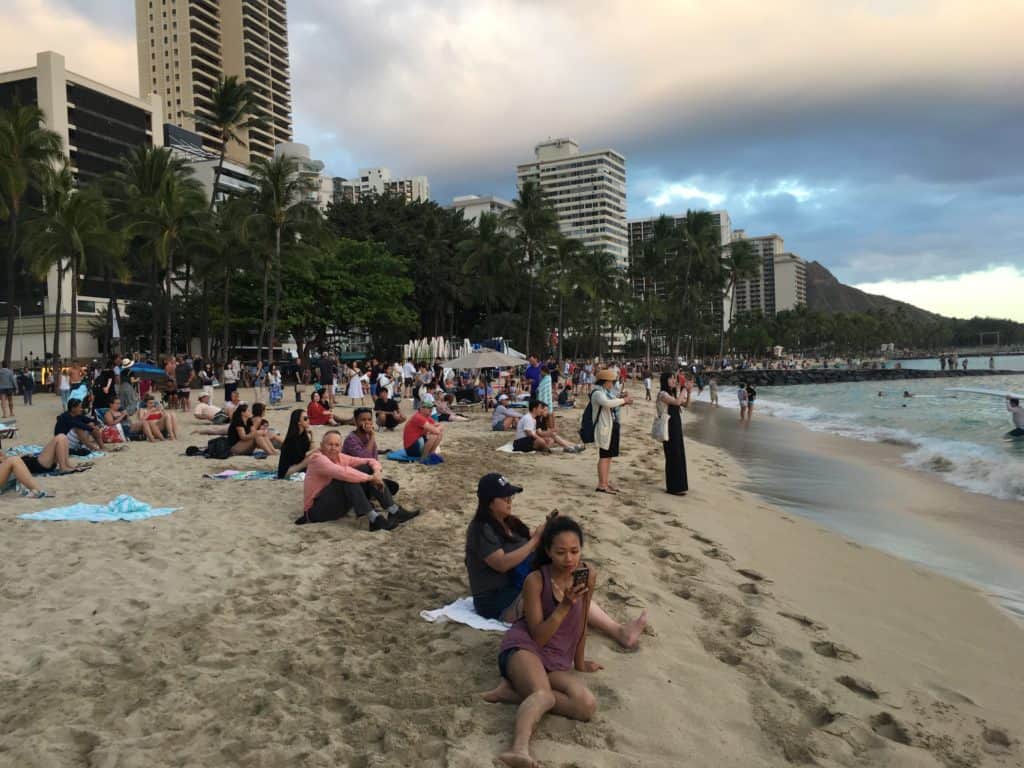
Waikiki is one of my favorite places to vacation. The sunsets are unreal, the beach is iconic, and the aloha spirit is very real. But even paradise has a few “heads up” moments—especially if you’re trying to plan the perfect trip (and avoid that “why is this so expensive?” feeling on day two).
In this post, we’ll cover six reasons you might not want to vacation in Waikiki—plus a bunch of practical tips to make the downsides much easier to live with.
Six reasons you may not want to vacation in Waikiki
- Cost
- Tourist taxes + surprise fees
- Food can be hit-or-miss (and pricey)
- Crowds
- Long flight + jet lag
- It can feel commercialized
I’ve traveled to Waikiki regularly for years, and I still love it. But these are the real-world drawbacks that can make Waikiki feel frustrating for certain travelers—especially first-timers. Let’s get into it.
1) Cost: Waikiki can be shockingly expensive
It’s no secret: Waikiki is one of the priciest vacation destinations in the U.S. Almost everything costs more—because you’re on an island, and much of what you buy is shipped in.
Instead of locking you into exact prices (they change constantly), here’s what you should expect in Waikiki in general terms:
- Hotels: usually your biggest cost (and rates swing wildly by season)
- Food: casual meals can still feel “sit-down expensive”
- Drinks: cocktails are often priced like a big-city rooftop bar
- Transportation: rentals, parking, tours, and activities add up fast
- Convenience purchases: sunscreen, snacks, water, beach gear—those “quick grabs” can quietly drain your budget
How to beat the cost (without feeling cheap)
- Travel in shoulder season (late spring or fall often feels less intense on the wallet and the sidewalks).
- Book a hotel that includes value: breakfast, free parking, or kitchenettes can be worth more than a “cheaper” nightly rate.
- Use happy hour strategically: Waikiki is a happy-hour town if you plan it right.
- Mix splurges with simple wins: do one “big dinner” and balance it with casual local spots, plate lunches, poke, and bakeries.
2) Tourist taxes and fees: the total can feel like a jump scare
This is one of the biggest “gotchas” in Waikiki: you see a nightly room rate… then you meet the taxes, resort fees, and parking.
The big ones to watch for
- State lodging tax (TAT) and Oʻahu county lodging tax (OTAT)
- Hawaii’s General Excise Tax (GET) (Hawaii’s version of a sales tax, but it works differently than most states)
- Resort fees (often $25–$55+ per night)
- Hotel parking (often $40–$65+ per night, and some garages are tight)
A simple “real total” example (why it adds up fast)
Let’s say you find a hotel for $300/night for 7 nights:
- Room subtotal: $2,100
- Resort fee (example $45/night): $315
- Parking (example $50/night): $350
- Taxes applied (often on room + fees): that’s where your total can leap quickly
Pro tip: When comparing hotels, always compare the final total, not the headline nightly rate.
Rental car fees: another sneaky budget bender
Rental car pricing in Hawaii can look fine… until the taxes and surcharges show up. And if you keep the car the whole trip, you may also pay hotel parking every night—even on days you don’t drive.
My favorite strategy:
Uber/Lyft (or shuttle) from the airport → enjoy Waikiki car-free → rent a car only for the days you’re doing North Shore, Kualoa, or a big loop day.
3) Food: you can eat well… but you have to be a little intentional
Waikiki has plenty of great meals—especially if you love fresh fish, tropical fruit, shaved ice, and island-style comfort food. But there are a couple common frustrations:
Why people get disappointed
- Sticker shock: it’s easy to spend a lot without feeling “wow’ed.”
- Chains everywhere: Waikiki has many big-name restaurants, especially in the busiest tourist corridors.
- Local favorites come and go: some beloved “mom and pop” spots have disappeared over the years.
What I recommend
- Pick 2–3 “must-try Hawaii foods” for your trip (malasadas, poke, garlic shrimp, loco moco, shave ice—choose your adventure).
- Balance one nice dinner with casual local lunches (you’ll save money and usually eat better).
- Ask locals where they actually eat—then go a little outside the main strip.
And yes—Leonard’s Bakery malasadas are still absolutely worth it.
4) Crowded: Waikiki is busy because it’s Waikiki
Waikiki isn’t a hidden beach town. It’s the most famous neighborhood in Hawaii—so crowds are part of the deal, especially during peak travel weeks.
Where it feels the most crowded
Beaches: Waikiki Beach and Kuhio Beach get packed fast because they’re right where most hotels are concentrated.
Sidewalks: Kalākaua Avenue can feel like a theme-park walkway at night.
Restaurants: dinner waits can be long, even at well-known chains.
Parking: limited, pricey, and often frustrating.
How to beat the crowds
- Beach early (or late). Waikiki in the morning feels like a different world.
- Walk a little farther: even a 10–15 minute walk can change the vibe.
- Make dinner reservations (or eat early—4:30/5:00 dinners are a Waikiki superpower).
- Expect some attractions to require reservations and plan those days ahead.
5) Long flights and jet lag: Hawaii is far (even when it’s “worth it”)
If you’re flying from the West Coast, you’re still looking at a solid chunk of time in the air. From the East Coast, it can feel like a full travel day—sometimes two, depending on connections.
On top of that, Hawaii does not observe Daylight Saving Time. That means the time difference between Hawaii and the mainland changes depending on the season, and jet lag can hit harder than you expect.
My “don’t ruin day one” advice
- Plan your first 24 hours as a soft landing: beach, pool, casual food, early bedtime.
- Don’t schedule your biggest adventure on day one (save it for day 2–3 when you’re human again).
- If you’re coming from the East Coast, assume you’ll need a couple days to fully adjust.
6) Commercialized: it can feel more like “Hawaii meets Times Square” than “quiet island escape”
This is the one that surprises people. Waikiki is dazzling, convenient, and walkable—but it’s also heavily developed.
What “commercialized” looks like in real life
- Lots of recognizable restaurant brands in Waikiki’s core (especially around the major shopping and resort areas)
- Luxury retail (Luxury Row and other high-end storefronts are a big part of the Waikiki experience now)
- Tour buses and shuttles everywhere, especially heading toward the same major attractions
How to keep Waikiki feeling more “Hawaii”
- Use Waikiki as your home base, not your whole trip.
- Do at least two days exploring outside Waikiki (North Shore, Windward side, or even just a different neighborhood for dinner).
- Build in time for something simple and local: a bakery stop, a beach park picnic, a sunrise walk.
Final thoughts: Waikiki can still be an amazing vacation (if you plan for reality)
Even with all these downsides, Waikiki remains one of my favorite places to vacation—and for good reason. It’s beautiful, fun, convenient, packed with activities, and it’s an easy “yes” for families, couples, and first-time Hawaii travelers.
The key is going in with eyes open:
- Waikiki is not the cheapest,
- it’s not the quietest,
- and it’s definitely not the most “off-the-grid.”
But with smart planning, you can avoid the common pain points and still have the kind of trip that makes you say, “Okay… I get why people come back.”