
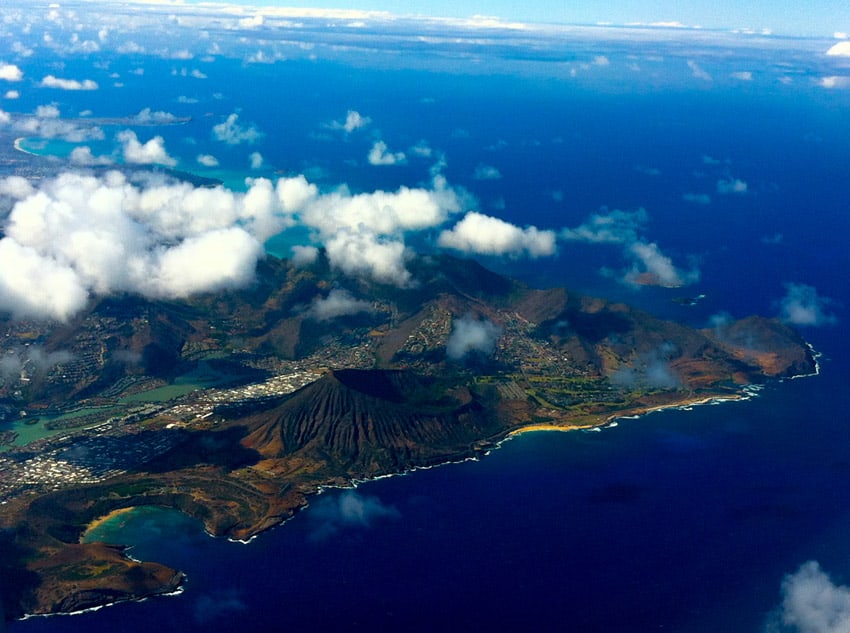
Waikiki is one of Hawaii’s most iconic destinations—and for first-timers, it’s equal parts exciting and “wait… how do I plan this without missing anything?” The good news: Waikiki is easy. It’s walkable, packed with food and activities, and it’s the perfect home base for exploring Oʻahu.
This updated guide covers the big questions visitors ask before booking: how long to stay, the best months to visit, where to stay, how to get around, how to save money, and what to do (including rainy-day ideas). Let’s get you from “someday” to “booked and ready.”
Quick answers for first-time Waikiki visitors
How many days do you need in Waikiki?
Most first-timers are happiest with 7–10 days. If you can only do one week, you can still hit the highlights without rushing.
Best time to visit Waikiki?
Many travelers love the “shoulder seasons” for value and lighter crowds: April–June and September–early December.
Do you need a rental car in Waikiki?
Not always. If you’re mainly staying in Waikiki + doing a couple of tours, you can skip it. If you want to roam the island (North Shore, hidden beaches, sunrise hikes), a car can be worth it—just budget for parking.
Big “plan ahead” items?
A few top spots use timed-entry or limited tickets—so it pays to plan early (don’t worry, I’ll point those out below).
Step one: Know what kind of Waikiki trip you want
Before you pick dates or a hotel, ask yourself:
- Are we beach-and-pool people… or “wake up at sunrise and chase views” people?
- Do we want to mostly stay in Waikiki, or explore all over Oʻahu?
- Are we celebrating something (honeymoon, anniversary, milestone birthday)?
- What’s our budget comfort zone? (And how sensitive are we to resort fees, parking fees, and tours?)
Once you answer those, everything else gets easier.
How long should you stay in Waikiki?
There’s no single “correct” answer—but there is a sweet spot depending on your pace.
3–5 days: The sampler platter
Perfect if Waikiki is one stop on a bigger Hawaii trip (or you’re squeezing in a quick escape). You can do:
- Beach time + sunset strolls
- One big historic day (Pearl Harbor)
- One signature view (Diamond Head)
- A luau or a catamaran cruise
7 days: The classic first-timer itinerary
If Waikiki is the main event, 7 days is the easiest “not rushed” trip. You can:
- Enjoy the beach without feeling guilty
- Add 2–3 day trips (North Shore, Kualoa, Hanauma Bay, etc.)
- Fit in history + culture without packing every hour
Tip: If you’re staying 7 days, it’s usually best to stay in one hotel and settle in.
10 days: The “do it right” option
This is my favorite length for first-timers who want both relaxation and exploration. You can:
- Split time between Waikiki fun + island adventures
- Schedule a few “nothing days” (yes, those count)
- Avoid the feeling of needing a vacation after your vacation
14 days: The deep-dive
Two weeks is wonderful if you love slower travel, plan multiple day trips, or want to add a neighbor island. Many visitors doing 14 days will:
- Spend most nights in Waikiki
- Add a couple of nights somewhere quieter (or do extra day trips)
- Mix beaches, hikes, culture, and food without cramming
What month should I visit Waikiki?
Hawaiʻi doesn’t do four dramatic seasons the way the mainland does. Think of it more like: warm + warmer, with changes in rainfall, surf, and crowds.
The shoulder seasons: April–June and September–early December
These months are popular because they often offer the best balance:
- Usually better prices on flights/hotels than peak periods
- Fewer crowds (more beach space, easier dining reservations)
- Weather that’s still very “Hawaii vacation” friendly
Summer peak: June–August
Summer brings:
- Busier beaches and higher hotel rates
- Great conditions for classic Waikiki swimming and beach days
- A lively energy (especially for families traveling during school breaks)
If you’re visiting in peak summer, plan to book flights and lodging earlier than you think you need to.
Winter busy season: late December–March
This is when many travelers escape cold-weather winters. You’ll often see:
- Higher prices and heavier crowds
- More chance of passing showers (usually brief—often followed by sunshine)
- Bigger surf on other parts of the island (Waikiki itself is typically calmer)
Bottom line: Waikiki is a year-round destination. The “best” month is the one that matches your priorities: price, crowds, or peak beach weather.
Getting to Hawaiʻi (and to Waikiki once you land)
Flying in: which airport?
Most visitors arriving to Oʻahu fly into HNL (Honolulu). Once you land, Waikiki is about 20–40 minutes away depending on traffic.
Best ways to get from the airport to Waikiki
You’ve got options, and the “best” one depends on budget and convenience:
- Rideshare (Uber/Lyft): Convenient, no waiting for a scheduled shuttle
- Taxi: Easy and straightforward (especially if you have lots of luggage)
- Shuttle/Shared ride: Often cheaper, but can take longer with multiple stops
- Public transit: The most budget-friendly, but not always the easiest if you’ve got bags
If you’re staying at a hotel, check whether they offer an airport shuttle—some do.
Getting around Waikiki (and Oʻahu) without stress
Waikiki is extremely walkable
If your vacation plan is mostly beach + shopping + restaurants + a few tours, you can happily do Waikiki on foot.
Public transit: TheBus + Skyline rail
Oʻahu has a real public transit system. You can get around much of the island using TheBus. The Skyline rail system also operates, and bus connections have been updated as new segments open—just know it doesn’t drop you directly into Waikiki, so you’ll usually pair it with a bus connection.
Bikes and quick rides
- Biki (bike share) is a fun way to cover short distances in and around Waikiki.
- For short hops when you’re tired and sandy, rideshare is the classic “vacation save button.”
Do you need a rental car?
Renting a car is most worth it if you plan to:
- Explore North Shore on your own schedule
- Chase hikes and beaches outside the Waikiki bubble
- Do sunrise/sunset adventures without a tour timetable
If you rent a car, budget for hotel parking fees, and remember Waikiki traffic is… enthusiastic.
Where to stay in Waikiki
Waikiki has a huge range of hotels—historic icons, modern high-rises, family-friendly resorts, and value-focused stays. Instead of chasing the “best hotel,” choose the best location + vibe for your trip.
If you want iconic, beachfront Waikiki history
- Moana Surfrider (classic, historic, beachfront)
- The Royal Hawaiian (the famous “Pink Palace” on the beach)
These are the “wow, we’re really here” hotels—especially fun for first-timers and special occasions.
If you want full-service resort energy (pools, activities, everything on-site)
Look for bigger beachfront resorts and full-service properties where you can comfortably spend entire days without leaving the property.
If you want modern comfort in the heart of it all
Central Waikiki hotels are ideal if you want to be steps from:
- the beach
- shopping
- food courts and casual eats
- nightlife
If you want a quieter edge of Waikiki
Staying closer to Kapiʻolani Park / Diamond Head side tends to feel a bit calmer, with easy access to green space and morning walks.
If you’re considering military-only lodging
Hale Koa Hotel is a great property in a prime location—but it’s designed for eligible military and defense community guests.
Small update for repeat readers
If you’ve seen older posts recommending “Waikiki Parc,” note that property branding has shifted over time; today many travelers look at boutique-luxury options in that same general area.
Cost of a Waikiki vacation (and how to save money)
Waikiki can feel expensive—because it can be—but you have a lot of control over your total cost.
Biggest budget levers (that actually move the needle)
- Travel dates (shoulder season savings can be dramatic)
- Hotel choice (and hidden add-ons like resort fees/parking)
- How often you do paid tours (they add up fast)
- Food strategy (mix “must-try” meals with casual local favorites)
Saving on lodging
- Consider value hotels a few blocks off the beach (still walkable)
- Traveling with family or friends? A setup that includes a fridge or kitchenette can save big on breakfasts and snacks
- If you’re flexible, watch for mid-week pricing dips
Eating well without spending a fortune
Waikiki is full of splurge-worthy dining—but some of the happiest travelers do this mix:
- 1 nice meal per day
- plus casual lunches, plate lunches, and grab-and-go snacks
Budget-friendly favorites that are still going strong include:
- Rainbow Drive-In (classic plate-lunch energy)
- Musubi Cafe Iyasume (quick, tasty, perfect between adventures)
And if you want a fun, relaxed night without a fine-dining bill, places like Cuckoo Coconuts are very “vacation mode.”
Important update: A couple of older “budget eats” mentions floating around the internet are no longer in play (for example, Waikiki Beachside Kitchen is closed, and Karai Crab has closed). Don’t worry—there are plenty of tasty alternatives nearby.
Save on activities (without feeling like you’re missing out)
Waikiki is packed with things that cost $0:
- Beach days (obviously!)
- Sunset walks on the promenade
- People-watching (Waikiki is elite-level for this)
- Kapiʻolani Park and scenic strolls
Then spend strategically on “big memories” like:
- A luau
- A snorkel cruise
- A surf lesson
- Pearl Harbor / history day
What to do in Waikiki: the greatest hits (plus a few smart extras)
Beach time, upgraded
Waikiki isn’t just one beach—it’s a series of beach sections, each with slightly different vibes. Bring sunscreen, a towel, and your “I’m not answering emails” energy.
Diamond Head: the view you’ve seen a thousand times (and still need to see in person)
That volcanic cone backdrop in every iconic Waikiki photo? That’s Diamond Head, and hiking it is a first-timer rite of passage.
Plan-ahead tip: Diamond Head uses an online reservation system for entry/parking for non-residents—so don’t leave it to chance.
Ocean activities (choose your adventure)
- Surfing lessons (Waikiki is one of the friendliest places to learn)
- Stand-up paddleboarding
- Snorkeling and beginner-friendly ocean time
- Sunset cruises (a “yes” for couples, families, and friend groups)
Culture + history you shouldn’t skip
Even if you came for the beach, Waikiki is a fantastic launching pad for deeper experiences:
- ʻIolani Palace (a powerful window into Hawaiian history)
- Pearl Harbor (deeply moving; plan enough time)
- U.S. Army Museum of Hawaiʻi (right in Waikiki, great for a lighter museum visit)
Rainy-day ideas (that still feel like vacation)
A rainy day in Waikiki is usually more “light showers” than “ruined day,” but it’s nice to have options:
- Waikiki Aquarium (small, charming, easy)
- Museums in Honolulu (art, history, culture)
- Shopping centers and markets
- A spa afternoon (honestly, rain makes this feel even cozier)
Hanauma Bay (if snorkeling is on your must-do list)
Hanauma Bay can be incredible—but it’s also popular, and entry systems/reservations can change. The big advice: plan ahead, and don’t assume you can just show up at prime time and stroll in.
A simple 7-day “first-timer” Waikiki blueprint (easy, balanced, happy)
Use this as a flexible template—not a rigid schedule.
Day 1: Arrive + beach walk + early night
Shake off travel, grab a casual dinner, watch the sunset.
Day 2: Classic Waikiki beach day + surf lesson
Keep it simple. Your future self will thank you.
Day 3: Diamond Head morning + pool/spa afternoon
Hike early, then reward yourself properly.
Day 4: Pearl Harbor + easy dinner back in Waikiki
This is a meaningful day—don’t overbook the evening.
Day 5: North Shore day trip
Shrimp trucks, big waves (seasonal), scenic drives.
Day 6: Snorkel day (Hanauma Bay or a boat tour) + sunset cruise
One of the most “Hawaii!” days you can build.
Day 7: Slow morning + last swim + souvenir stroll
Leave space for your favorite repeat moment.
If you have 10 days, simply add more breathing room: repeat your favorite beach, add a second museum/cultural day, and fit in a second scenic day trip.
First-timer tips that make your trip smoother (and more respectful)
- Reef-safe sunscreen is a smart move for the ocean—and it’s kinder to the place you’re visiting.
- Ocean safety matters. If locals are avoiding a spot, follow their lead.
- Give yourself permission to do less. Waikiki rewards slow mornings and long sunsets.
- Ask locals for casual food recommendations. People are often happy to point you toward favorites—especially if you’re polite and curious.
Final thoughts
Waikiki is popular for a reason: it’s gorgeous, easy to navigate, and packed with “choose your own adventure” options. Whether you stay 5 days or 14, travel on a tight budget or go full resort mode, you’re going to leave with salty hair, a full camera roll, and at least one moment you’ll replay in your head all year.
Have fun—and don’t forget to schedule time for absolutely nothing.